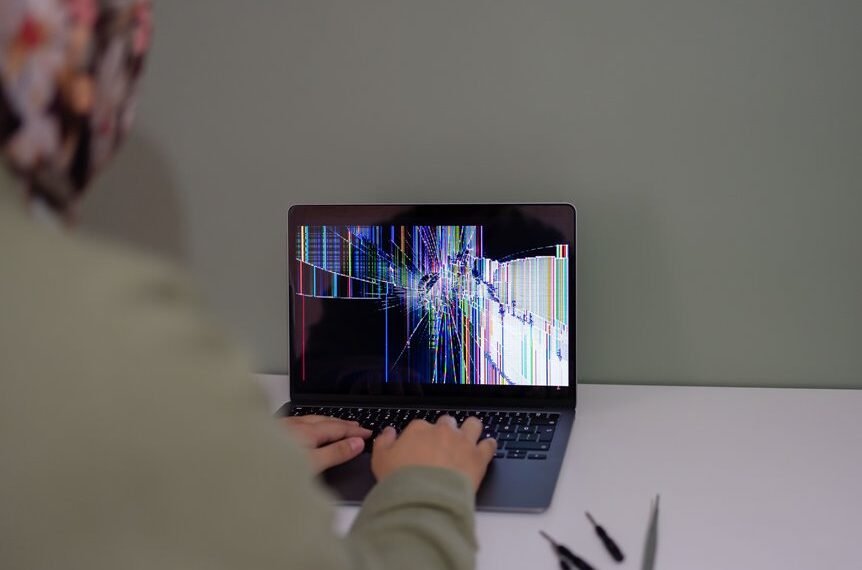
When something goes wrong with 2295203320, begin by identifying the symptom and gathering details with timestamps to spot patterns. Next, check core hardware and connections, reseating components and testing power delivery as needed. Then verify software and system settings using logs and telemetry to guide diagnosis. Quick, reversible fixes should be attempted to establish a stable baseline, followed by planning next steps with objective criteria. The path invites careful continuation to uncover the root cause.
Identify the Symptom and Gather Details
To identify the symptom and gather details, begin by clearly stating the observed issue and when it occurs. The report notes the problem and timestamps, enabling pattern recognition. identify symptom, gather details, verify software, check core, connections, system settings.
Assess potential causes with minimal assumptions, run quick fixes, plan next steps, and outline follow-up checks for accuracy and freedom from ambiguity.
Check Core Hardware and Connections
Have the core hardware and connections been verified for integrity and proper seating?
The assessment proceeds with methodical hardware checks and deliberate inspection of interfaces, cables, and connectors.
If issues surface, perform measured reseating and confirm power delivery.
Document anomalies for later review.
Emphasize systematic steps and avoid assumptions.
This segment supports effective connection troubleshooting and reliable hardware checks.
Verify Software and System Settings
After verifying core hardware and connections, attention shifts to software and system settings. The section emphasizes Symptom analysis to identify patterns, followed by Detail collection for precise context. Structured checks include verifying configuration integrity, permissions, and updates. Emphasis on Hardware checks and Connection verification remains minimal here, while ensuring logs and telemetry support accurate diagnosis without unnecessary conjecture. Clear, concise guidance prevails.
Run Quick Fixes, Then Plan Next Steps
Run quick fixes to isolate immediate issues and establish a stable baseline before more extensive remediation.
The section describes a disciplined workflow: apply minimal, reversible changes first, observe results, and document outcomes.
A Troubleshooting mindset guides decisions, while a Communication protocol ensures updates are concise and timely.
After fixes, evaluate impact, then plan next steps with structured, objective criteria and risk-aware prioritization.
Frequently Asked Questions
How Is the Issue Affecting Other Connected Devices?
The issue impact includes potential device interference with nearby equipment, causing degraded performance or sporadic connectivity for connected devices. Some units may experience shared network contention, while others remain unaffected. Overall, the effect varies by environment and signal strength.
Has This Problem Occurred After Any Recent Changes?
“Like a compass seeking north, the inquiry resolves: after changes, the impact scope should be reviewed.” The detached analysis notes whether the issue appeared after changes, detailing impact scope and any correlated timing or configuration adjustments.
Are There Any Error Codes or Logs Available?
There are error logs available. The team should consult error logs and follow structured troubleshooting steps, documenting findings systematically. This approach supports clear, precise analysis while preserving user autonomy and facilitating informed decision-making.
Can the Problem Be Reproduced Consistently?
A reproducibility check indicates inconsistent results across trials; the problem is not consistently reproducible. An impacted devices analysis accompanies this assessment, highlighting which devices experience variance and guiding targeted investigation for stable replication.
What Is the Expected Versus Current Behavior?
What is the expected versus current behavior? The expected behavior is defined; current status shows deviations. Consistency checks and error logging reveal gaps, guiding remediation. Are measurements aligned with specifications while maintaining freedom from ambiguity and unnecessary constraints?
Conclusion
In summary, the five-step approach ensures a disciplined, evidence-based diagnosis: identify the symptom with precise timestamps, verify core hardware and connections, confirm software settings via logs and telemetry, perform quick reversible fixes, and document all findings for reproducibility. When methodically applied, issues resolve rapidly and with fewer repeats. This framework is a backbone rather than a brittle routine—an essential skill for every technician. Its clarity is a lighthouse in a fog of chaos, guiding decisions with almost supernatural precision.


 By
By